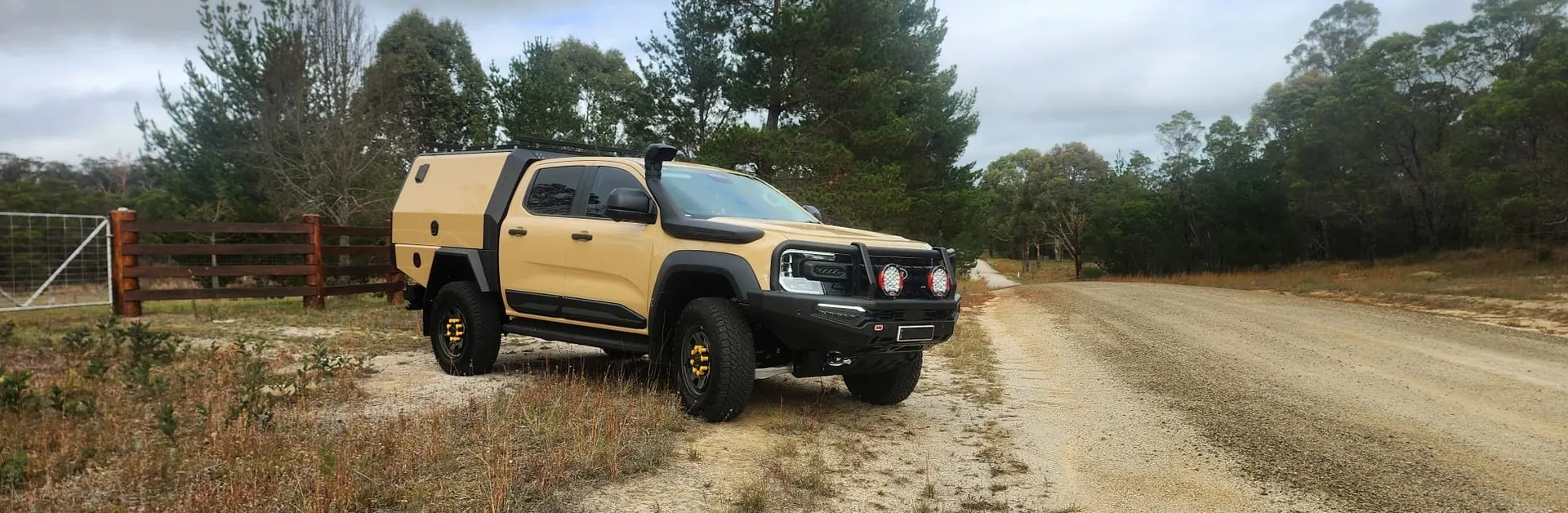
Finance the vehicles, machinery and equipment your business needs.
From utes and trucks to yellow goods, farm machinery and specialised equipment, I compare asset finance options and structure the facility around your cash flow, business position and the asset being purchased.
Vehicles, yellow goods and equipment across a broad range of industries
Equipment finance can help your business acquire productive assets without paying the full cost upfront. I help with common commercial vehicles through to specialised machinery and equipment.
- Cars, utes, vans and light commercial vehicles
- Trucks, prime movers and trailers
- Excavators, loaders and other yellow goods
- Agricultural machinery and farm equipment
- Forklifts, scissor lifts and warehouse equipment
- Manufacturing machinery and workshop equipment
- Medical, dental and professional equipment
- Commercial kitchen equipment
- IT hardware, office equipment and fit-outs
- Solar, security, gym and specialised commercial equipment
The asset, business and repayment position all matter
Different lenders have different appetites for vehicles, trucks, yellow goods, agricultural machinery and specialised equipment.
I review the complete transaction before recommending a lender, including the business history, asset, seller, documentation available and proposed repayment structure.
Choose a structure that supports your cash flow
The right structure depends on the asset, how long you expect to use it, your tax position and the repayment impact on the business.
I compare the total cost, ownership position, repayment profile and flexibility rather than focusing only on the headline rate.
- Chattel mortgage
- Finance lease
- Commercial hire purchase
- Operating or rental agreement
- Equipment loan
- Balloon or residual payment structure
- Seasonal or tailored repayments where available
- Refinance or restructure of existing equipment finance
Equipment finance is not limited to a new purchase
Depending on the asset, lender and business circumstances, finance may be used to purchase, refinance or release funds from eligible business equipment.
Finance equipment from dealers, auctions or private sellers
Finance may be available for both new and used assets purchased through a dealer, manufacturer, recognised supplier, auction house or private seller.
Older, specialised or privately purchased assets may need additional checks or a tailored lender. I identify those requirements before the application is submitted.
Newer ABN? Your trade history may still matter
Tradies are a core focus for Freedom Financing. Some specialist lenders may consider qualified tradespeople with a recently established ABN, particularly where the applicant has relevant industry experience and the asset directly supports the trade.
Suitable assets may include utes, vans, commercial trailers, small excavators and other trade equipment. Eligibility depends on the complete application, and some lenders may require a trade certificate, deposit, bank statements or other supporting evidence.
I look beyond the ABN start date
I assess your trade background, business purpose, asset, deposit position, credit history and available documentation to identify lenders that may suit the scenario.
Specialist asset finance knowledge, applied to your business
The right lender for a ute may not be the right lender for a prime mover, excavator, tractor or specialised piece of machinery.
- Compare a broad panel of banks and specialist asset finance lenders
- Understand how lenders assess vehicles, trucks, yellow goods and specialised equipment
- Structure finance around your cash flow and business goals
- Work with tradies, construction operators, farmers, transport businesses and other SMEs
- Explain the options, costs and conditions in plain English
- Manage the process from application through to settlement
- Help plan future equipment purchases as your business grows
Whether you are financing your first work vehicle or expanding a fleet, you deal directly with the broker managing your application.
Equipment and asset finance questions
Get the right finance structure before you buy
Whether you are buying a work vehicle, truck, excavator, farm machine or specialised equipment, I'll help compare lenders and manage the process through to settlement.